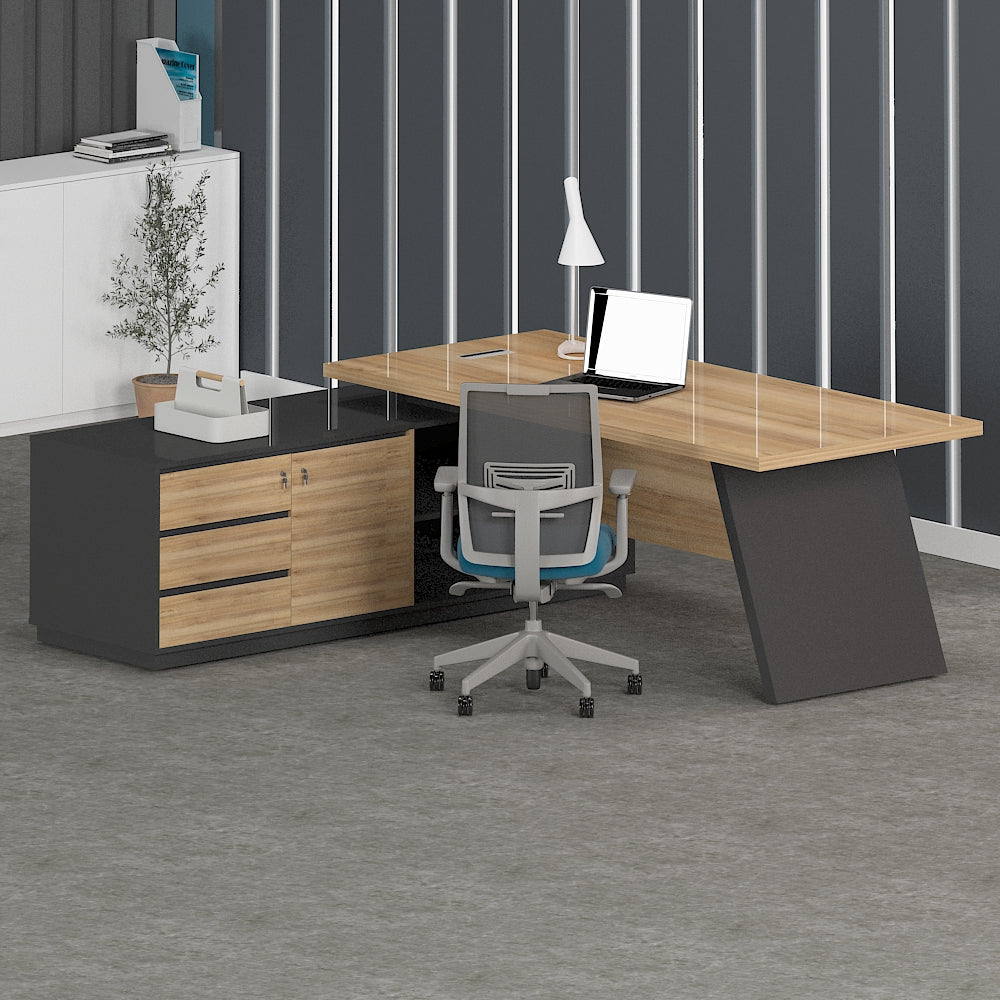
Within the current business landscape, the office setting plays a critical role in influencing the efficiency and perception of a company. Among the different factors that contribute to an office's visual attractiveness, the boardroom table is prominent as a focal point of both style and functionality. The size, style, and general look of an executive table can greatly affect the view of an office space, affecting not only how it looks but also how it is experienced. It represents the values of the company and mirrors the status of the personnel who occupy the area.
Selecting the right executive table involves careful consideration of several factors, including the available area, the design that matches the business’s identity, and practical features that enhance usability. From traditional wooden designs to modern configurations with glass tops, the options are vast. The size of the table can affect not only the organization of the office but also the dynamics of communication and teamwork within the office. As we analyze the various features of executive tables, we will investigate how their dimensions and design choices can improve the overall aesthetics of an office, making it a more welcoming and productive workspace.
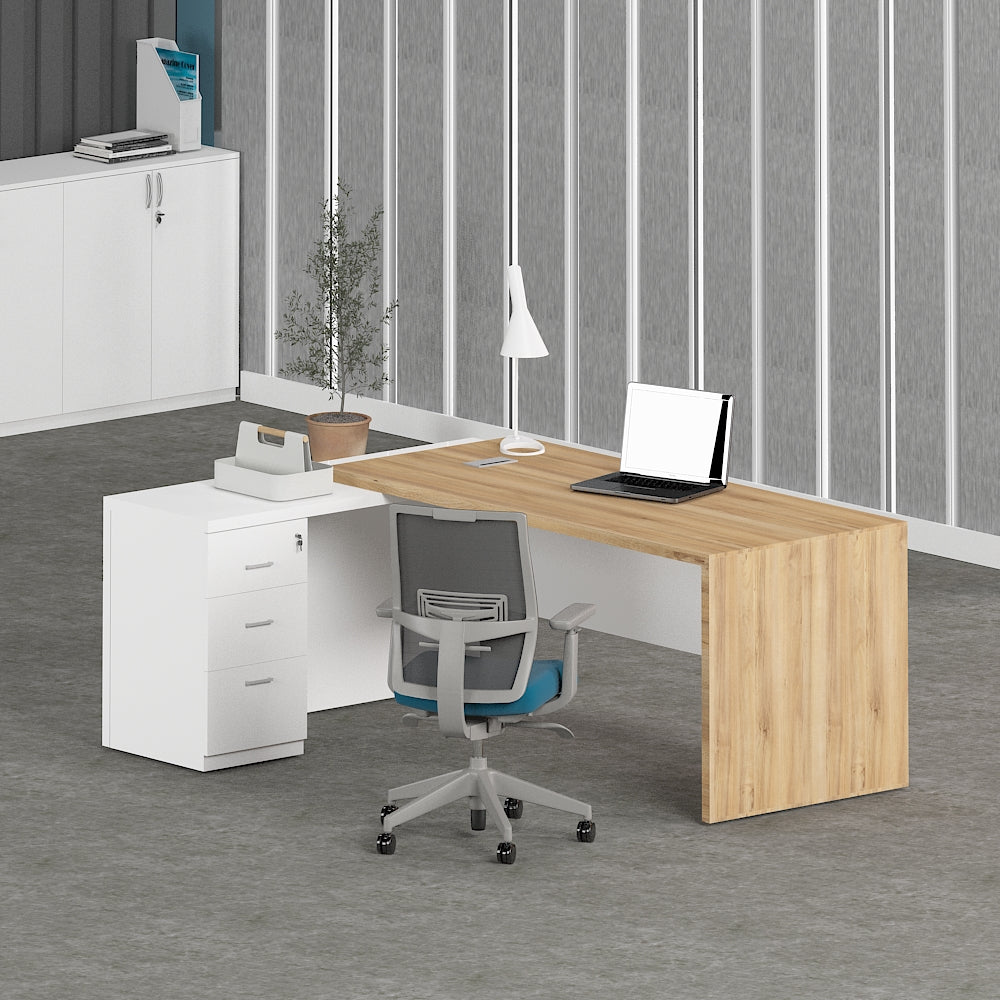
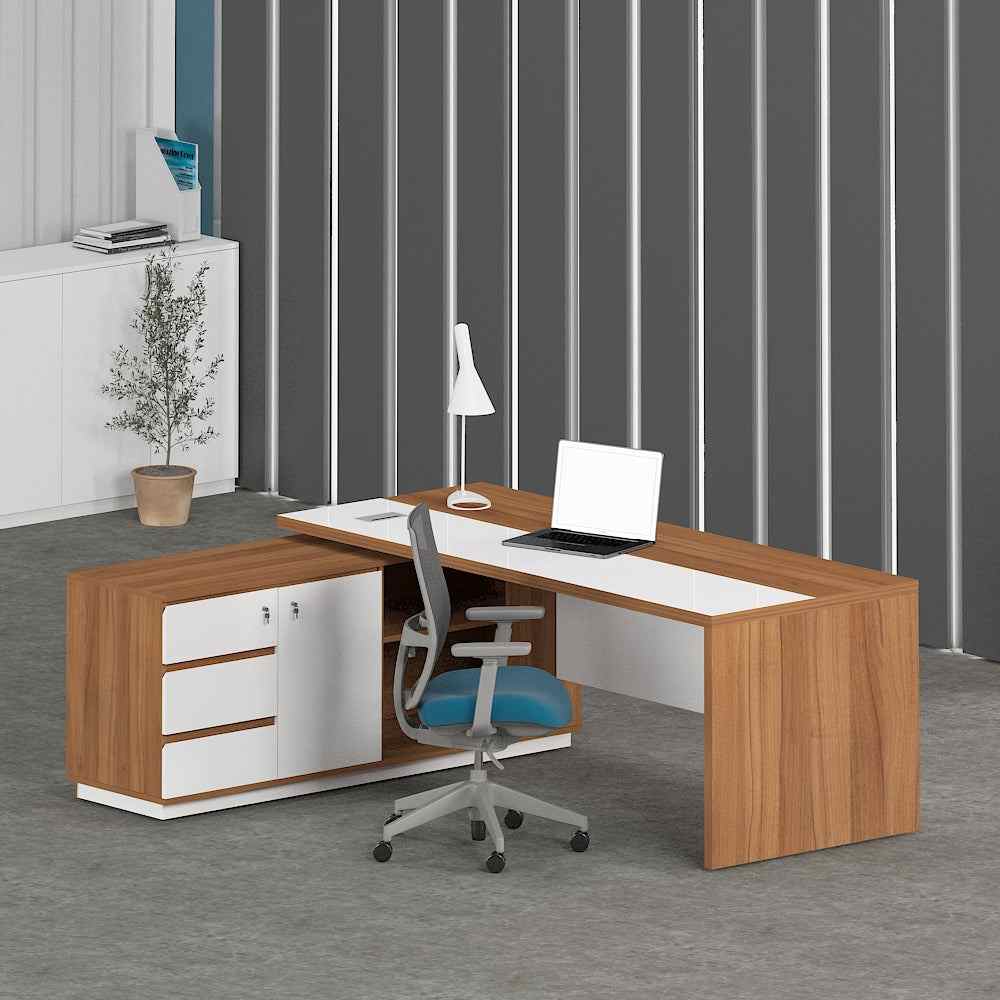
Executive Desk Aesthetic Trends
The design of executive office desks has changed considerably over the past few years, showing shifting office dynamics and aesthetic choices. Current designs focus on minimalism and practicality, with clean lines and an uncluttered appearance. executive office table accessories improves the overall office ambiance but also creates a more comfortable environment for both clients and workers. Many executive tables now feature adaptive elements, enabling for seamless integration with technology and workspace organization.
Environmental responsibility has also become a crucial factor in executive desk design. Designers are increasingly using green materials, such as restored wood and recycled metals, to create fashionable yet sustainable furniture choices. This shift not only attracts to environmentally conscious customers but also aligns with the broader corporate responsibility objectives many organizations are striving for. Such designs often showcase natural finishes and textured materials, adding warmth and character to the executive office space.
Another notable movement is the rise of tailored and modular designs. More organizations are in search of executive tables that can be modified to various office designs and individual preferences. This versatility allows for a bespoke approach to office aesthetics, with options like configured configurations and integrated organization solutions. As organizations understand the importance of creating distinctive workspaces that reflect their brand identity, tailored executive desk styles are likely to stay a hot topic in the market.
Aspects Impacting Management Table Size
The scale of an management workstation is primarily determined by the measurements of the office space in which it will be placed. A more spacious office can hold bigger desks, which not only supply sufficient workspace but can also boost the complete aesthetics of the space. In comparison, limited offices need more compact designs to ensure practicality without overwhelming the space. Thus, the size relationship of the table to the environment is vital for maintaining equilibrium and effectiveness in design.
Another important factor is the planned use of the executive workstation. Executives who frequently conduct meetings or require more space for papers and devices may prefer more spacious tables, such as multi-functional layouts. These types allow for better organization and effectiveness, accommodating both the leader and visitors comfortably. Conversely, if the desk is mainly for personal use, a streamlined model may be enough, which can also foster a more comfortable atmosphere.
The choice of resources and style also holds a key role in influencing the size of an executive workstation. For instance, a timber management desk may contribute itself to more classic, bigger dimensions due to the built-in sturdiness and look of wood. On the contrary, up-to-date layouts incorporating glass surfaces may lead towards sleeker, simple choices that match a current workplace atmosphere. In the end, the mix of dimensions, functionality, and style will result in an workspace that is both useful and aesthetically pleasing.
Cost Study of Premium Tables
When analyzing the rates of executive desks, it becomes apparent that multiple factors impact their price. The type used in building is a major determinant; wood desks generally fall into a moderate price range, while those having glass finishes or high-quality designs tend to fetch increased costs. The style complexity also holds a crucial role, as elaborate designs may cause higher production costs, thus being shown in the retail price.

Regional differences substantially influence the pricing of executive workstations. For example, costs for high-end workplace workstations fluctuate widely across countries like Nigeria, Africa, the Philippines, Asia, Kenya, and Pakistan. While some regions may present competitive costs due to minimal building costs, others face elevated costs due to tariffs or limited local manufacturing capabilities. Understanding such geographic elements can assist buyers make informed choices based on their cost considerations and region.
In conclusion, the customer segment and brand image can impact rates. Well-known brands like Brand A may charge a increased cost due to their fame and estimated quality. In comparison, less well-known brands might offer reduced prices to draw in customers. Additionally, bundled offers that include chairs and accessories can yield cost savings, making it important for buyers to investigate various options to locate the optimal deal sans sacrificing on the wanted appearance or usability.
Choosing the Appropriate Executive Table for Office Aesthetics
Picking the right executive table is important for enhancing the general aesthetics of an office space. The design and design of the executive table should align with the company’s branding and the ambiance you aim to create. For example, a sleek executive table with a glass top can create a contemporary feel, while a classic executive table might impart a sense of tradition and reliability. Assessing how the table will complement other furnishings and the office decor is important to attain a cohesive look.
Size is another vital factor to keep in mind when selecting an executive table. An oversized table may overwhelm a smaller office, while a small model might seem out of place in a large executive suite. It is important to measure the available space and ensure that the executive table provides comfortable movement while simultaneously providing ample workspace. An L-shaped executive table could provide functionality in a corner space, making it a smart choice for maximizing office layout.
Finally, the practicality of the executive table should not be disregarded. Consider tables that come with accessories, such as built-in storage or cable management features, to enhance efficiency without sacrificing aesthetics. office executive table wooden in an executive table that offers both style and practicality is crucial to building an office atmosphere that is both visually appealing but also conducive of productivity.